

The Art of Hair Drying - Say Goodbye to Frizz and Damage
Posted by Ellie Swain on Jul 21st 2025
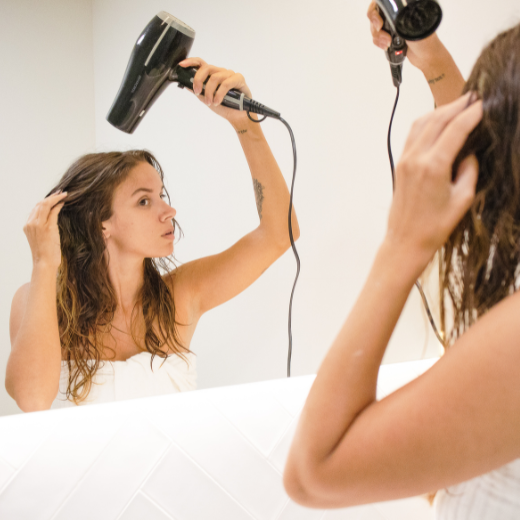
Drying your hair properly may seem like a minor step in your beauty routine, but it's actually one of the most critical. The way you handle those damp strands can either set you up for a fabulous hair day or leave you battling frizz, breakage, and frustration.
Whether you’re fresh out of the shower or finishing a post-pool dip, how you dry your hair matters, and it’s time to give it the attention it deserves.
Let’s explore the often-overlooked steps that can transform your drying process. From managing frizz to avoiding heat damage, you’ll be left with smooth, healthy locks that shine. Keep reading to learn more.
Why the Right Drying Technique Matters
Before we get into the specifics, let’s start with why drying your hair properly even matters in the first place.
Firstly, wet hair is fragile. When your hair is damp, its cuticles are open, making it more prone to breakage, frizz, and overall damage.
Improper drying techniques can cause unnecessary harm to your hair, potentially leading to long-term issues such as split ends or thinning. For example, vigorously rubbing your hair with a towel can be compared to sanding down the delicate cuticle layers of your hair.
This aggressive motion raises the cuticles, making them more susceptible to frizzing and snapping. Treating your hair gently post-wash is a crucial first step toward maintaining its strength, elasticity, and overall health.
Ditch the Cotton Towel
One of the biggest culprits of frizzy, dull hair is using the standard bath towel to dry hair. Most of us have grown up wrapping our heads in these bulky towels right after washing, but their rough texture can be harsh on your strands.
Cotton towels tend to absorb too much moisture, causing friction that leads to breakage and flyaway hairs. Instead, opt for a microfiber towel or even a soft T-shirt. These alternatives are much gentler, reducing friction and helping your hair retain the moisture it needs without leaving it too dry or rough.
When drying, think of blotting or gently squeezing your hair rather than rubbing it vigorously. You'll be surprised at how much of a difference this small change can make.
Opt For Air Drying
Air drying is arguably the healthiest way to dry your hair since it skips the damaging heat altogether. But even air drying needs some strategy. Have you ever air-dried your hair only to end up with a shapeless, frizzy mess?
There’s an art to achieving smooth, defined, and voluminous locks without the use of heat. The key is in how you treat your hair while it dries.
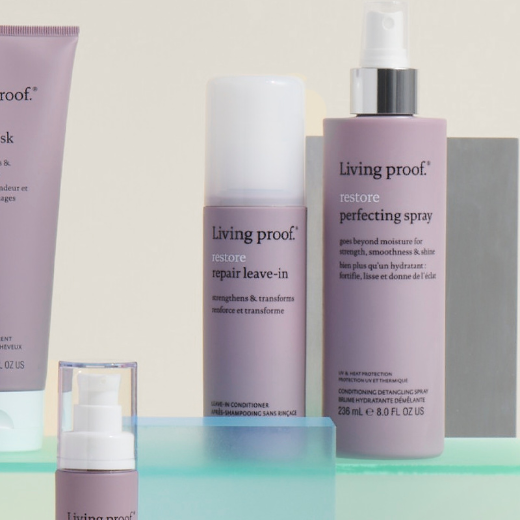
Start by gently squeezing out excess water (again, using that microfiber towel or T-shirt). Next, apply a leave-in conditioner or lightweight styling product to lock in moisture and add definition to your strands. The Living Proof Restore Repair Leave-In is an excellent option, preventing up to 93% of split ends caused by styling while strengthening hair 15x with just one use.
Allow your hair to dry naturally, but resist the temptation to constantly touch or flip your hair, as this disturbs the curl pattern and smoothness, leading to frizz. Also, be sure not to dry your hair in windy conditions, as this can lead to tangled locks.
Patience is key when air drying. But if you’re short on time, don’t worry––there’s always a way to speed things up without sacrificing your hair’s health.
Blow Dry The Right Way
Sometimes, air drying isn’t feasible, especially if you're short on time or want to style your hair a certain way. While blow drying often gets a bad reputation for being damaging, it can be safer if you take care of your locks and use the right technique.
Start with a good protectant spray to create a barrier between your hair and the heat. Without this step, your strands remain vulnerable to high temperatures, which can lead to dryness and breakage over time.
Use the cool or medium heat setting on your blow dryer to limit damage. And rather than blasting your hair at full speed, dry your hair in sections.
A round brush can help add volume and smoothness, while a diffuser attachment works wonders for maintaining curl definition. Also, keep the blow dryer at least six inches away from your scalp to protect your hair from unnecessary heat exposure.
Make The Final Touches
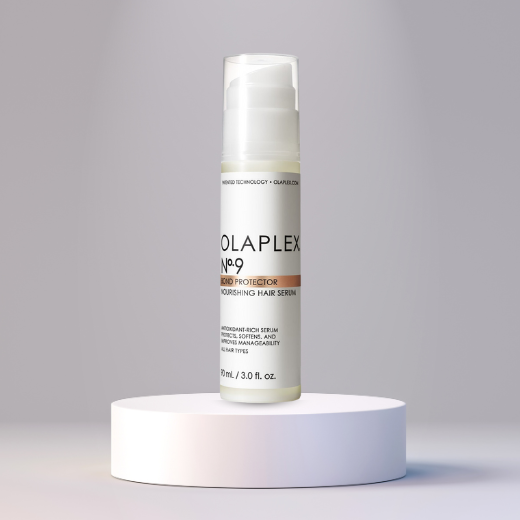
Once your hair is dry, it’s time for the finishing touches. Whether you’ve air-dried or blow-dried, use a few drops of lightweight hair oil or serum to add shine and seal in moisture, like the Olaplex Nº.9 Bond Protector Nourishing Hair Serum. This keeps your locks smooth and frizz-free throughout the day.
Pay special attention to the ends, which tend to be the driest and most prone to split ends. Additionally, avoid over-brushing your hair once it's dry.
Brushing can disturb the natural texture of your hair, especially if it's curly or wavy. Instead, use your fingers or a wide-tooth comb to detangle any knots and preserve the natural shape and style of your hair.
It might seem like just another step in your beauty routine, but the way you dry your hair can make a significant difference in its long-term health and appearance. Whether you prefer air or blow drying, being mindful of the products and techniques you use can help prevent damage, preserve moisture, and keep your hair looking its best.
Do you want more haircare advice? Here’s how to handle unwashed hair like a pro.