

Got Stretch Marks After Weight Loss? Here’s What to Know
Posted by Nikki Wisher on Oct 27th 2025
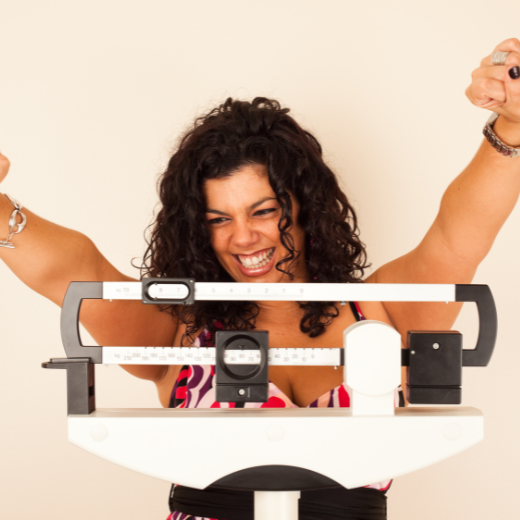
Now that GLP-1 medications have hit the weight loss market and hit it hard, so many people across every age range are losing weight that they’ve been struggling with for years or decades. As exciting as it is to see some real movement toward your goals, weight loss sometimes comes with new challenges of its own too. One of these is stretch marks.
If you’ve started noticing more stretch marks as you’ve been losing weight, you’re not alone! Let’s dive into why those stretch marks are starting to bug you and what you can do about them.
Does Weight Loss Cause Stretch Marks?
Technically no, it’s actually weight gain or other increases in size that cause stretch marks, but you might notice them more as you lose weight.
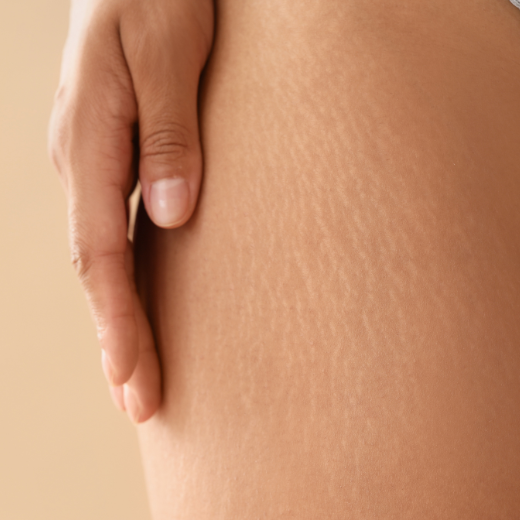
Skin is elastic but it has its limitations, so if it gets stretched too much too quickly (which often happens during pregnancy, puberty, and significant weight gain), the tissue of your skin can’t quite keep up. That’s why you have the thin, discolored tissue that creates stretch marks.
What’s interesting, though, is you might not notice them as much or pay much attention to them until you lose weight. As you lose weight and your skin becomes less stretched, the texture difference in your stretch marks tends to become more noticeable.
Do Stretch Marks Affect Your Skin’s Health?
Generally, no. Research hasn’t found any direct impacts to your health or your skin’s health from stretch marks – they’re just cosmetic. With that said, your mental health is part of health too, and for some, stretch marks can be a major detriment to self-esteem and mental health.
Essentially, this means that you shouldn’t feel pressured to do anything about your stretch marks, but if you would like to minimize them, you should feel free to pursue it.
Do Stretch Marks Get Worse if You Lose Weight Quickly?
Because stretch marks are primarily caused by your body growing quickly, they’re generally affected by how quickly you gain weight but not by how quickly you lose weight. But there’s a caveat. In some cases, especially with extreme weight loss, losing weight quickly might cause you to have excess sagging skin because your size dropped more rapidly than your skin could shrink to keep up with. In severe cases, that sagging skin can be heavy enough to pull down on your skin, and that pull can create some new stretch marks. That’s the only situation in which you might see more stretch marks if you lose weight more quickly.
Are Stretch Marks Treatable?
To a degree, yes. The bad news is that so far, researchers haven’t found any singular treatment or product that removes stretch marks effectively for everyone, so there’s not a first-line solution for stretch marks. But there are many things you can do that can contribute to the cause. They can each make small improvements, but with a combination of techniques along with the healing effects of time (as slow as they might be), you can see your stretch marks become less visible.
What Can You Do to Reduce Stretch Marks?
Stretch marks typically fade with time, although it’s a slow process. They might start out looking pink or dark and shift color over time, eventually becoming a better match to the rest of your skin. This can take years, though, so there are several ways you can help to move that healing along and make stretch marks less noticeable.
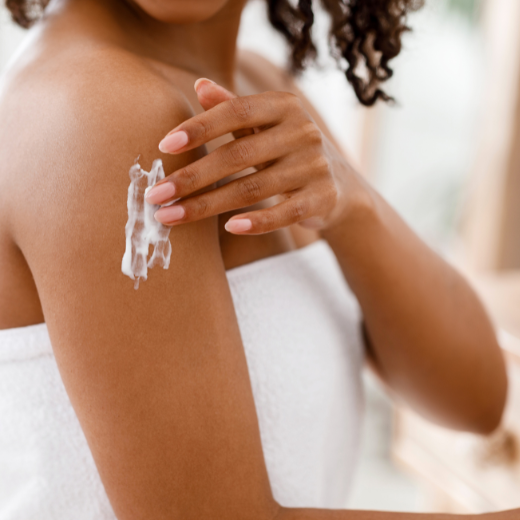
- Massage with moisturizer. Some studies have found that massaging your stretch marks with a vitamin-rich hyaluronic acid moisturizer can offer improvements in stretch marks. Researchers aren’t entirely sure how much of the improvement comes from the moisturizer and how much of it comes from the massage, so it’s best to use both so that you’re not missing out.
- Eat a balanced diet loaded with nutrients that support skin elasticity. This includes vitamin E, vitamin C, zinc, vitamins B2 and B3, and silica.
- Use retinols formulated for body use (as opposed to facial use, which is the intention for most retinol products). A specialized body product with retinol helps to stimulate your cell turnover, which allows your body to heal those stretch marks more quickly and smoothly. There are over-the-counter products, or you can ask your doctor about prescription tretinoin.
- Consider professional skin treatments for stretch marks. Some procedures like chemical peels, microneedling, and certain laser treatments have been able to reduce the appearance of stretch marks. Consult a dermatologist or other licensed professional to see if you might be a good candidate for these treatments.
All told, stretch marks are natural and incredibly common, affecting as many as 90% of people to some degree. So whether you treat your stretch marks or not, you’re in good company. But if you do want to make your stretch marks less visible, no matter what size you’re in, the tips above can help.